







Search Results for: heirloom Geisha
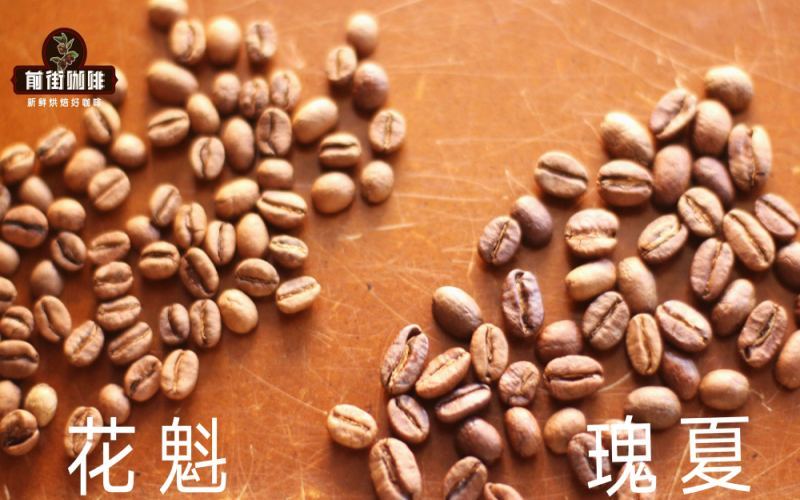
Ethiopia Hambela Woreda Huakui Coffee: A Complete Analysis from Variety Traceability to Roasting and Brewing
Huakui coffee quickly rose to fame after winning the TOH championship in 2017, but many enthusiasts often mistake it for Geisha. In fact, Huakui is a sun-dried heirloom variety produced by the Buku Abel processing station in the Hambela region of Sidama, Ethiopia, and is labeled as Hambella on foreign jute bags. This article will start from the definition of the variety, clarify the differences between Huakui and Geisha, sort out the origin of Huakui's name, its production area range, the meaning of its number, and the independent status of small-bean Huakui, and include Front Street Coffee's roasting curve and pour-over parameters to help readers fully grasp the background and brewing points of this bean. [more…]

A Detailed Guide to Ethiopian Coffee Varieties: What Exactly Does Heirloom Native Species Mean?
When buying Ethiopian single-origin coffee, the "Heirloom" commonly seen on packaging often leaves people puzzled. It is not a specific variety, but a collective term for the vast number of native Arabica varieties in the region. As the birthplace of coffee, Ethiopia has thousands of natural variants, and many producing areas even grow dozens of varieties mixed together, making it impossible to classify them one by one. This article will take you through Front Street's perspective to understand the true meaning of Heirloom, its relationship with flavor, and the stories of specific varieties such as JARC numbered varieties, Geisha 1931, Gori Geisha, and Wush Wush. [more…]
Exploring 90+ Specialty Coffee: A Multifaceted Flavor Analysis of Panama Geisha and Ethiopian Heirloom Varieties
Ninety Plus is a highly esteemed brand in the specialty coffee world, renowned for its coffee beans from the Panama Geisha estate and multiple regions in Ethiopia, celebrated for their unique processing methods and richly layered flavors. This article will analyze one by one more than ten Ninety Plus coffee beans recommended by Front Street Coffee, including Juliette, Lotus Solstice, the Horizon series, Ginseng, Clinique, the Nectar series, and more, covering honey processing, natural processing, and patented Solkiln, Red processing, Ruby processing, and other techniques. From origin, harvest season, variety, Level, altitude to processing method and flavor description, it fully presents the individual characteristics of each bean, guiding you to appreciate the splendid expression of Geisha and Ethiopian heirloom varieties in terms of cleanliness, sweetness, fruity aroma, and vinous notes. [more…]

Landrace and Heirloom in Ethiopian Coffee Beans: What Exactly Is the Difference Between Native Species and Local Varieties?
When purchasing Ethiopian coffee, the terms "native species" or "heirloom" commonly seen on packaging are already familiar to many, but in the past two to three years, a new term, "landrace," has also begun to appear frequently. What exactly is the difference and connection between the two? This article, from the perspective of Front Street, sorts out the essence of heirloom mixed harvesting, the logic behind the formation of landrace local varieties, and, using the specific case of Front Street Kafa Forest coffee beans, explains the regional story behind variety labeling. At the same time, it will also clarify a common misconception: Kafa Forest and Panama Geisha are completely different things; the former emphasizes the terroir of the origin, rather than a specific variety. [more…]
Ethiopian Coffee Bean Label Guide: Differences Between Heirloom, Landrace, and Regional Varieties, and G1 Bean Recommendations
When selecting Ethiopian coffee, the variety labels on the packaging often leave people confused: Heirloom is translated as "native species" or "heirloom," and in recent years the term Landrace (local variety) has also appeared. What exactly do these names refer to? What is the relationship between them? This article will start from the garden farming model of Ethiopian coffee, clarify the concept of Heirloom as a mixed lot, explain how Landrace is selected, identified, and harvested separately from the field, and also recommend Front Street Coffee's Kaffa Forest G1 washed beans, as well as its difference from Panama Geisha. [more…]

Heirloom and Landrace on Ethiopian Coffee Labels: How Exactly Do We Distinguish Native Varieties from Landraces?
Friends who frequently buy Ethiopian coffee beans are certainly familiar with the variety label "Heirloom," usually translated into Chinese as "native species" or "heirloom." But in the past two or three years, another term has quietly appeared on the packaging of some Ethiopian beans—"Landrace." What exactly is the relationship between it and Heirloom? Are they different names for the same thing, or two completely different concepts? In this article, Front Street will take a careful look at the origins and evolution of Landrace local varieties, starting from Ethiopia's garden planting system, sorting out the mixed-harvest nature of Heirloom, then moving on to JARC's work in identifying local varieties, and why more and more international green bean merchants have begun to purchase these varieties with distinctive regional characteristics separately. At the end, we also include information on the Kaffa Forest lot currently sold by Front Street for everyone's reference and comparison. [more…]
A Complete Guide to the Ninety Plus Specialty Coffee Bean Series: Flavor Exploration of Geisha and Ethiopian Heirloom Varieties and Future Trends
As a benchmark brand in the specialty coffee world, Ninety Plus is renowned for its rigorous Level grading system and innovative processing methods. This article systematically reviews the full lineup of Ninety Plus beans recommended by Front Street Coffee, covering Juliet, Lotus Solkiln, Prospect, Red Prospect, Prospect Ruby, and Silvia Solkiln from the Panama Geisha estate, as well as Ginseng, Clinique, Nectar, Red Nectar, and Nectar Ruby from the Ethiopian production region. From honey processing and natural processing to the patented Solkiln dense processing, red processing, and ruby processing, each one displays a unique flavor layering. The article fully preserves the origin, harvest season, variety, Level, altitude, processing method, and flavor description of each bean, providing coffee enthusiasts with a detailed tasting guide and, from this, looking ahead to the future direction of specialty coffee. [more…]
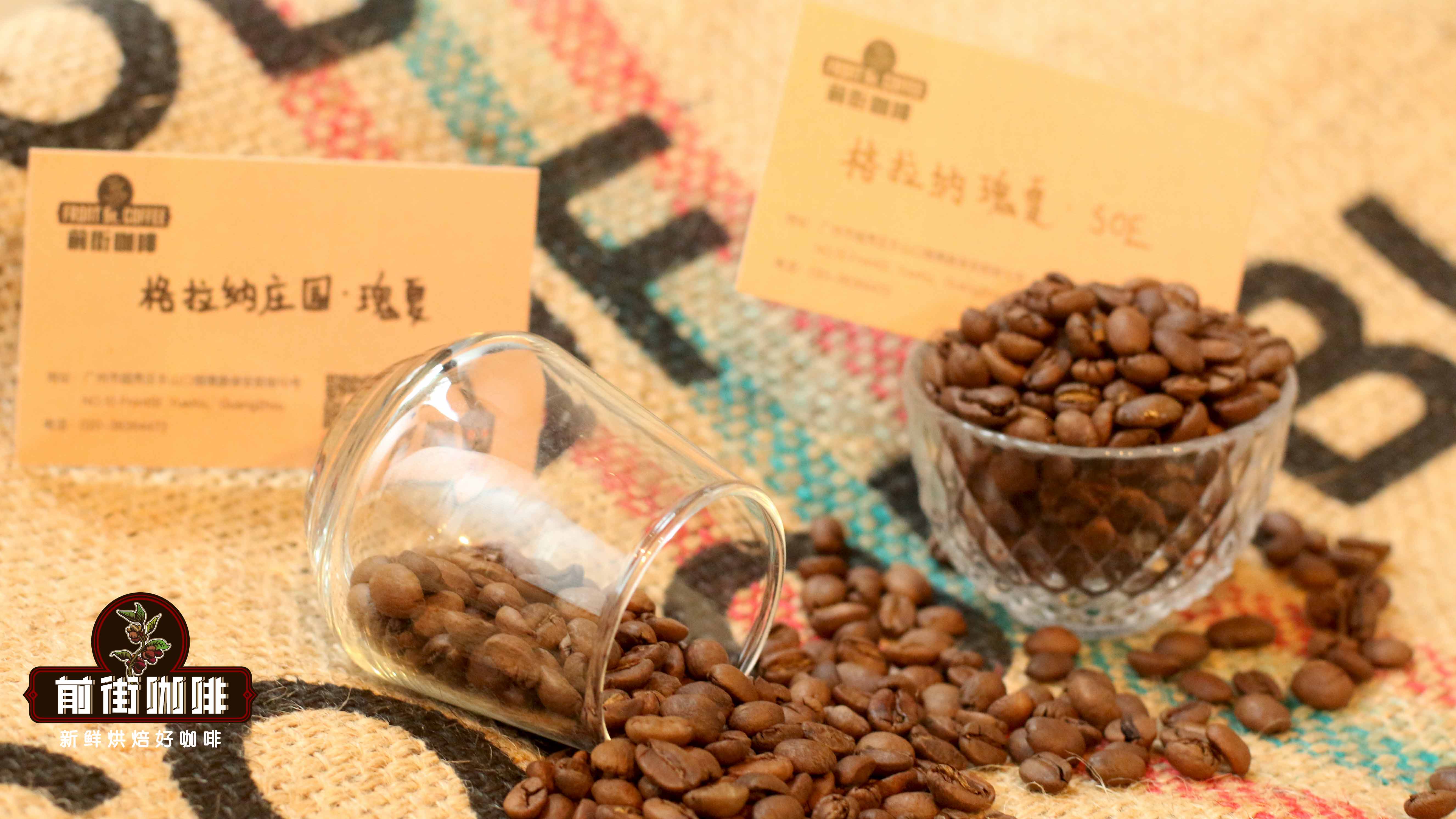
A Detailed Guide to the Pour-Over Techniques and Parameters for Ethiopian Grana Estate Natural Heirloom Geisha
The Grana Estate heirloom Geisha natural coffee from the Guji region of Ethiopia showcases rich, layered flavors of strawberry jam, pineapple, and apricot, thanks to the fertile soil of the primeval rainforest and the raised-bed natural drying process. This medium-light roasted Geisha alternates between bright acidity and sweetness, with a brown sugar-like finish that is highly approachable. Want to recreate its elegance with a pour-over at home? This article shares Front Street Coffee's recommended brewing parameters—from grind size and coffee-to-water ratio to water temperature control—to help you easily brew this cup of fruit-forward goodness. [more…]
Variety and Floral-Fruity Aromas: The Aromatic Genes of Geisha, SL Lines, and Heirloom Varieties
Same estate, same processing method—so why do some varieties fill the cup with floral aromatics while others taste utterly ordinary? Half of the underlying code for floral and fruity aromas is written into the coffee variety's genes. This article sorts through several star variety families to see how genes determine the aromatic destiny in the cup. Geisha: the pinnacle example of floral aroma. This one, from Eth... [more…]
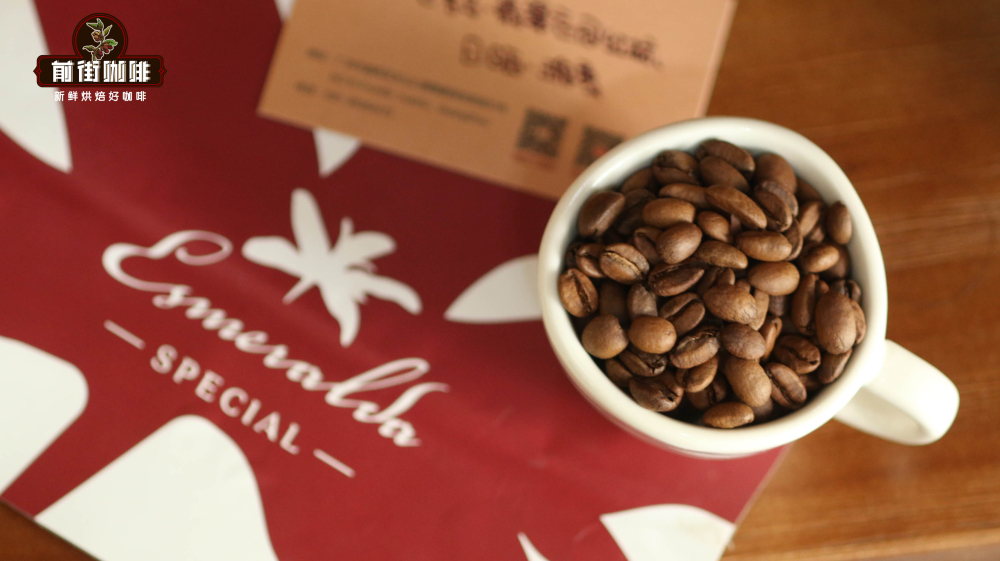
Coffee Varieties Illustrated | What Are the Taste and Shape Differences Between the Three Major Coffee Bean Species? How to Quickly Identify Coffee Bean Varieties? Are Ethiopian Heirloom and Geisha the Same Species of Coffee?
Every variety of coffee beans has different bean appearance (bean外貌) characteristics. In this article, Front Street will guide everyone through coffee bean appearance to identify coffee bean varieties, and what flavor characteristics do different coffee varieties have? ~| Typica (Typica) Typica originated in Ethiopia and southeastern Sudan. [more…]
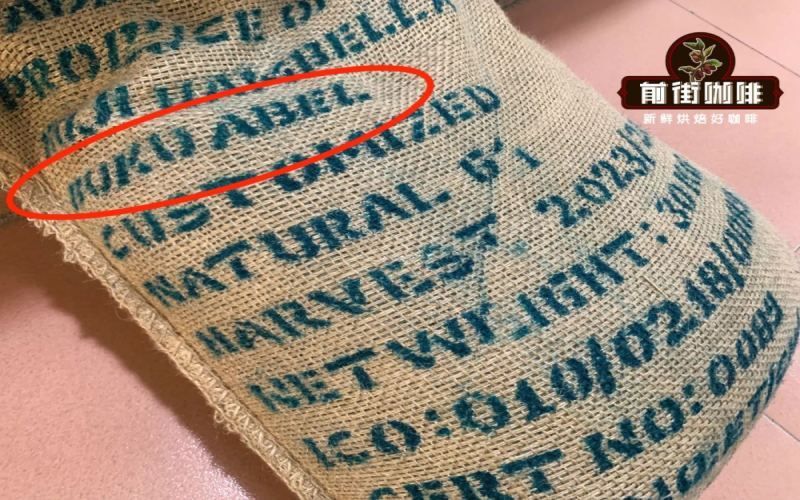
Comparing the Flavors of Huakui and Geisha: Taste Differences and Brewing Tips for Ethiopian Natural Heirloom and Panama's Famous Variety
Huakui and Geisha are often compared, as both attract attention for their floral aromas and fruity acidity. Front Street Coffee's Huakui coffee beans come from the Buku Abel processing station in Hambela, Guji region, Ethiopia, and are sun-dried, presenting juicy notes of peach, passion fruit, and mango; Geisha is a variety originating from Ethiopia's Gesha Mountain and later gaining fame in Panama, known for its white floral notes, citrus acidity, and tea-like sweet finish. This article will sort out what exactly differs between Huakui and Geisha from aspects such as origin background, varietal differences, processing method influence, flavor cupping, and brewing parameters, and provide the commonly used pour-over recommendations from Front Street stores, helping you more clearly choose the cup that suits your taste. [more…]

A Comprehensive Comparison of Arabica and Robusta Coffee Beans: Variety Characteristics, Flavor Differences, and Representative Producing Regions
What exactly are the essential differences between the two main varieties of coffee beans—Arabica and Robusta? Why is the former more highly regarded in the specialty coffee world? From the perspective of Front Street, this article systematically sorts out the differences between the two in caffeine content, appearance characteristics, flavor performance, growing conditions, and cost, and provides an in-depth introduction to representative Arabica varieties such as Typica, Geisha, and Ethiopian heirloom varieties, helping you fully understand the variety and terroir logic behind coffee flavor. [more…]
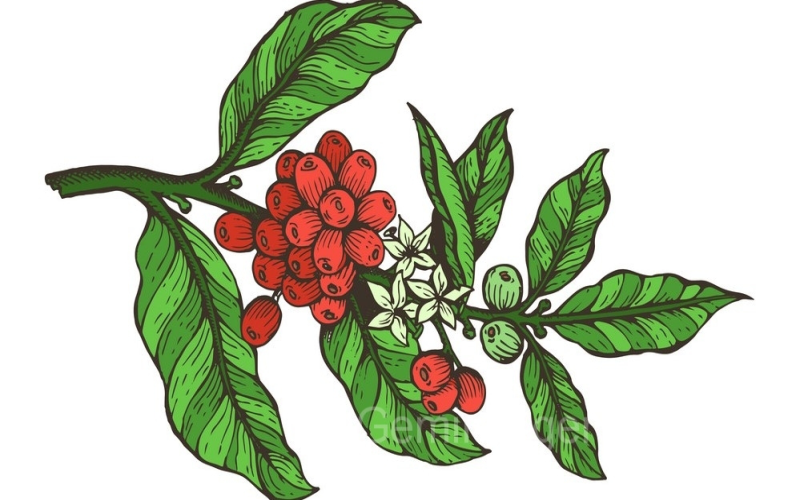
A Review of Best-Selling Arabica Coffee Bean Varieties on Taobao: Detailed Flavor Guide to Typica, Bourbon, Caturra, Geisha, and Heirloom Varieties
You often see "100% Arabica" or "Selected Arabica Coffee Beans" printed on coffee packaging, but Arabica is not a coffee brand from any country—it is the name of a coffee variety. This article focuses on the five best-selling Arabica coffees on Taobao, introducing one by one the origins, characteristics, and flavor profiles of five major varieties: Ethiopian heirloom, Typica, Bourbon, Caturra, and Geisha. All recommendations come from Front Street Coffee, which combines reputation and quality. Front Street's offline stores offer more than 50 types of coffee beans, all freshly roasted within 5 days and shipped within 24 hours, with stable quality and high cost-effectiveness. Whether you are a beginner or an advanced professional enthusiast, it is worth your reference. [more…]
From Ethiopian Heirloom to Brazilian Bourbon: A Flavor and Selection Guide to Twelve Major Specialty Coffee Beans Worldwide
Under the specialty coffee wave, coffee variety research, cultivation standards, and bean quality are climbing year by year. Drinking coffee is no longer just for staying awake—flavor experience is becoming the core pursuit. According to Front Street Coffee's observations, the taste preferences of today's enthusiasts can be roughly divided into three categories: those who seek bright, full floral and fruity notes; those who prefer soft acidity with a rich mouthfeel; and those who favor flavors that are not sour but intense and balanced. This article will review several of the world's most popular specialty coffee beans—Ethiopian heirloom varieties, Panama Geisha, Jamaican Blue Mountain Typica, Indonesian Sumatra Ateng Mandheling, and Brazilian Bourbon—explaining one by one their origin characteristics, variety background, processing methods, and roasting recommendations, along with complete information such as region, altitude, and flavor for Front Street Coffee's corresponding products, to help beginners build a clear framework for choosing beans. [more…]
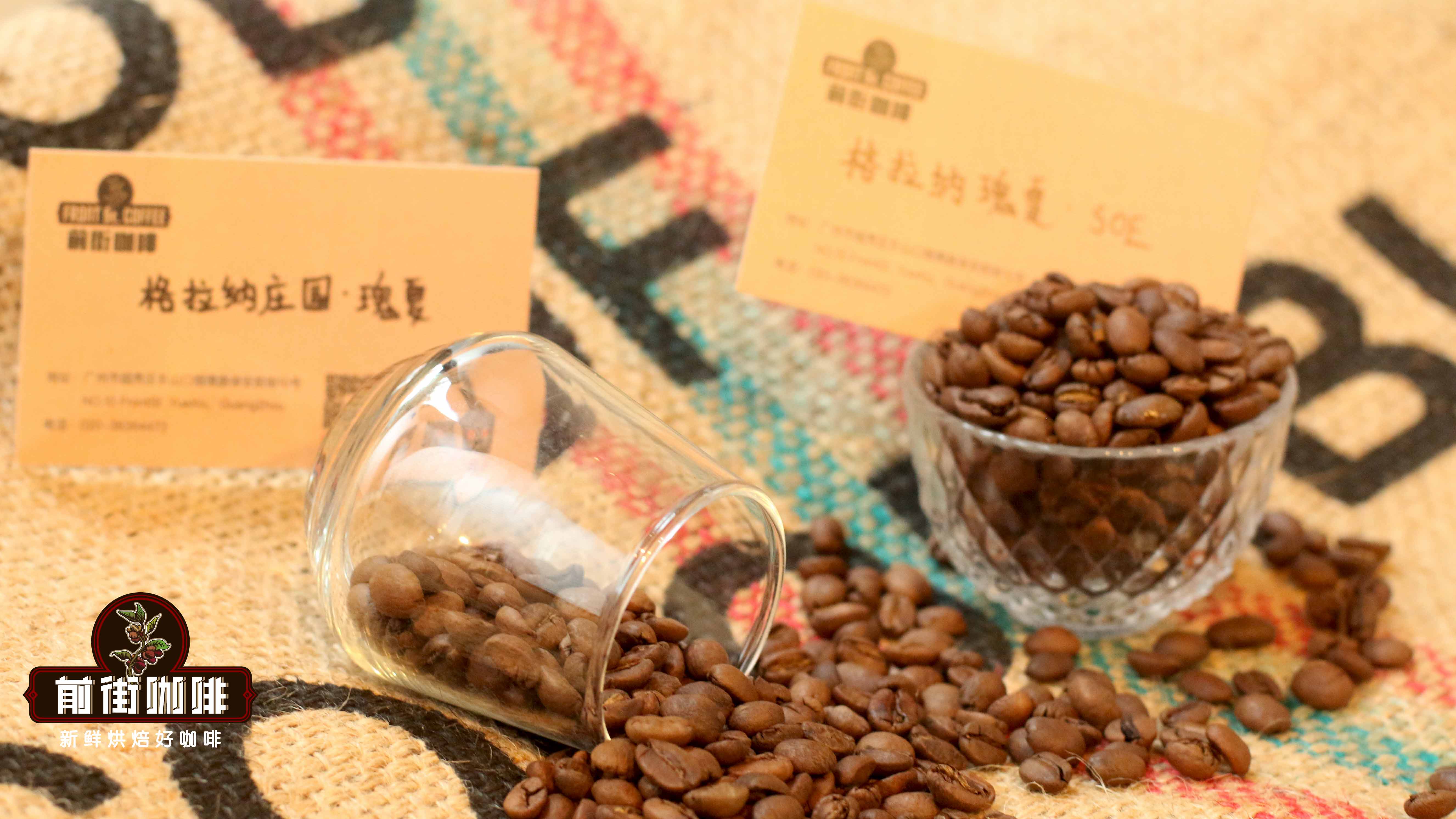
Can Ethiopian Native Geisha Be Used for SOE? Front Street Coffee Granada Estate Natural Geisha Roasting and Flavor Guide
Ethiopian heirloom Geisha is a completely different flavor profile from Panamanian Geisha, and with its outstanding value for money and unique specialty coffee expression, it is drawing the attention of more and more coffee lovers. The Grana Estate Geisha SOE launched by Front Street Coffee has an obvious yellow floral note and bright bergamot on the entry, with a fresh strawberry-like sweet fragrance in the finish. This bean comes from the Grana processing station at the border of the Kochere and Grana Abaya producing areas, where Israel Degefa led research in 2014, using raised-bed sun-drying for 14 to 20 days. Brewed as an Americano it has lime notes and a fermented black grape sweetness, while as a milk coffee it shows a smooth, sweet strawberry-cake quality. This article covers its origin background, processing method and SOE performance, and provides reference roasting ideas. [more…]
Analyzing the Flavor Differences Between Arabica and Robusta Coffee Beans: Variety Characteristics and Front Street Recommended Representative Beans
The world of coffee is vast and complex, but the two most common varieties on the market are none other than Arabica and Robusta. The former accounts for over seventy percent of global production and is highly favored by the specialty coffee market for its elegant aroma and rich acidity; the latter, though smaller in production, is widely used in blends and instant coffee due to its strong resistance and low cost. The two differ significantly in flavor, caffeine content, and growing conditions. The vast majority of single-origin coffees on Front Street Coffee's bean list are Arabica. This article will compare them from the perspectives of variety origin, flavor characteristics, and representative producing regions, and introduce classic Arabica categories one by one—including Typica, Geisha, Bourbon, Caturra, and Ethiopian heirloom varieties—to help coffee enthusiasts understand the flavors in their cup more systematically. [more…]
A Complete Guide to Arabica Coffee Varieties: From Typica to Landrace—Specialty Flavors and Recommendations
Arabica and Robusta are the two most common coffee varieties on the market, with the former becoming the mainstream of specialty coffee thanks to its delicate flavors and rich aromas. This article begins with the differences between the two, then systematically sorts out the main members of the Arabica family—Typica, Geisha, Bourbon, Caturra, and Ethiopian heirloom varieties—analyzing each one's origin, characteristics, and flavor profile. At the same time, drawing on recommended products from Front Street Coffee, it helps coffee lovers understand how variety and terroir together shape the final taste of a cup of coffee. [more…]
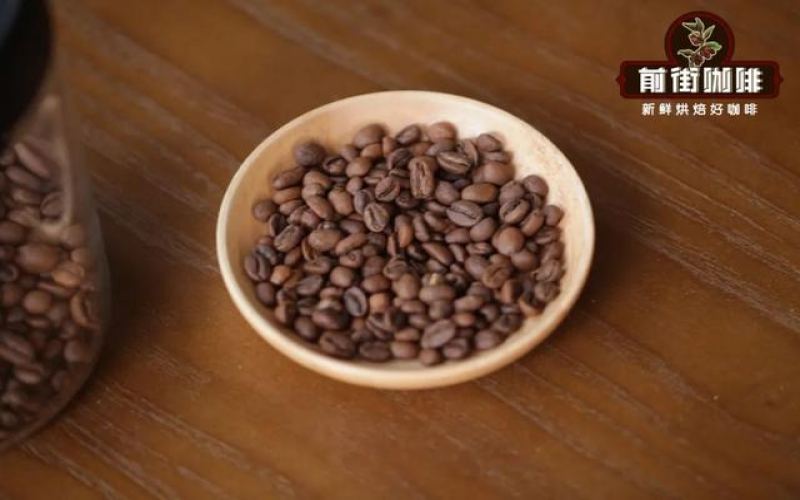
Huakui Coffee Beans | Ethiopia's Original Sidamo Guji Region Sun-Dried Huakui Coffee: Region, Flavor Characteristics, and Is It Related to Geisha?
How did Geisha coffee get its name? Front Street Coffee believes that from a literal sense, Geisha coffee is a coffee bean full of floral fragrance, but this is not actually the case. Geisha's floral aroma is not strong; instead, its fruity aroma is more intense, such as passion fruit, strawberry, mango, jackfruit, and citrus. According to what Front Street Coffee has learned: Geisha [more…]
Complete Analysis of Huakui and Geisha Varieties and Origins: The Origins of the Translations Hambela and Geisha, and a Comparison of Their Flavor Differences
Recently, a video conflated Huakui coffee beans, the Hambela production region, and the Geisha variety, claiming that the three can be equated. Is this really the case? This article will trace the spread of the Geisha variety from Geisha Mountain in Ethiopia to Hacienda La Esmeralda in Panama, clarify the administrative affiliation of Hambela as a sub-region of Guji, and restore the full story of how Huakui coffee beans were named after winning the 2017 TOH. At the same time, Front Street Coffee will, through cupping experience, compare the flavor differences between small-bean Huakui and regular Huakui, and analyze the essential differences between Geisha and Huakui in their main flavor profile, helping coffee lovers build a clear understanding of varieties and production regions. [more…]
Yirgacheffe SOE Espresso Flavor Analysis: Front Street Grana Native Geisha and Espresso Serving Guide
Is coffee made from Ethiopian Yirgacheffe beans as an SOE espresso actually good? Starting with Front Street Coffee's Grana Estate native Geisha, this article introduces this Ethiopian native Geisha that Israel Degefa began researching in 2014, how its flavor differs from Panama Geisha, and why it has gained attention for its high cost-performance. We'll also discuss its specific performance when made into Americano and milk coffee, plus practical knowledge about espresso serving sizes, helping you craft a richly layered SOE at home. [more…]